Wisdom teeth are the third set of molars at the very back of your mouth, and they usually arrive in the late teens or early twenties — at an age once associated with becoming wiser, hence the name. For some lucky people, wisdom teeth come in straight, fully erupted, and easy to clean, and they cause no trouble at all. For most people, though, wisdom teeth bring some kind of problem. Knowing when removal is needed, what the procedure involves, and how to recover comfortably can take a lot of the fear out of the experience.
Why Wisdom Teeth Cause Problems
The human jaw has gotten smaller over evolutionary time, but our teeth have not gotten smaller along with it. The result is that there is often not enough room in the back of the mouth for the wisdom teeth to come in properly. When that happens, they can:
Stay impacted — stuck below the gumline, partially or fully covered by bone and tissue.
Erupt at an angle — pushing against the second molars in front of them, sometimes damaging those teeth.
Erupt only partially — creating a flap of gum tissue that traps food and bacteria, leading to infection.
Crowd surrounding teeth — contributing to shifting and misalignment, especially noticeable after years of completed orthodontic work.
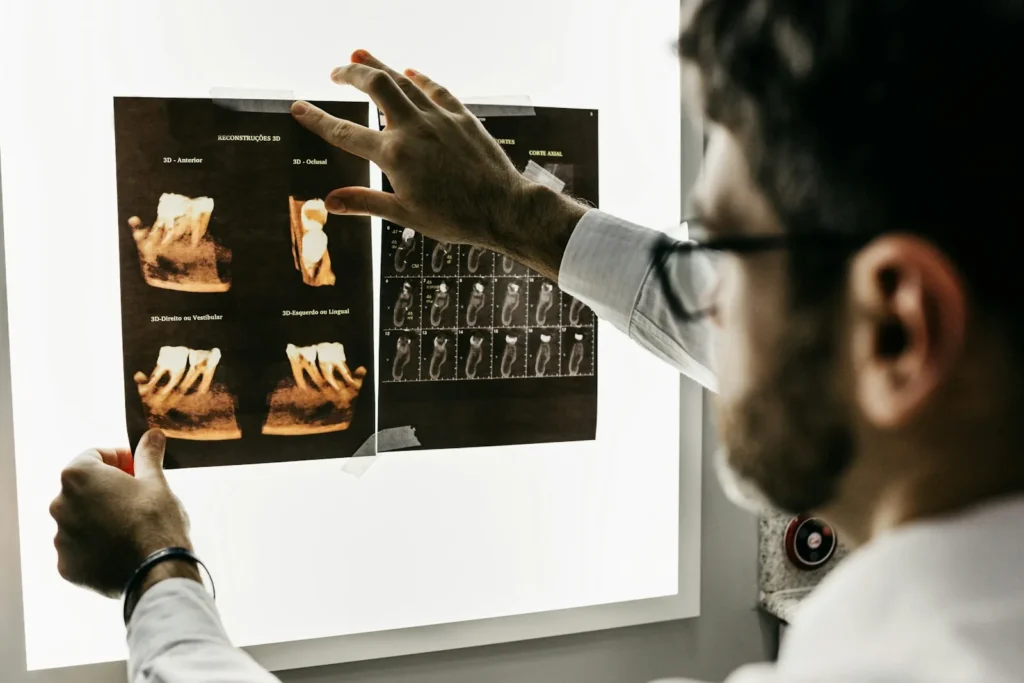
Even if wisdom teeth are not actively painful, problems can develop slowly and silently. Many dentists recommend monitoring them closely from the late teens with panoramic X-rays.
Signs You May Need Them Removed
Pay attention to your body. The signs that something is going wrong with wisdom teeth often include:
Pain at the back of the jaw, sometimes radiating to the ear or down the side of the neck. Swollen, red, or bleeding gum tissue around an erupting tooth. A bad taste in your mouth or persistent bad breath near the back teeth. Difficulty opening your mouth wide. Headaches or jaw stiffness. Sinus pressure, especially with upper wisdom teeth. A crowded feeling in your bite or new shifting of front teeth.
If any of these symptoms appear, see a dentist promptly. Early treatment is almost always easier than waiting until the problem is acute.
When Removal Is Recommended
Not every wisdom tooth has to come out. Healthy, fully erupted, well-positioned wisdom teeth that can be cleaned properly can be left in place. Your dentist or oral surgeon will recommend removal when:
The tooth is impacted in a position that will not allow proper eruption. Pericoronitis (infection around a partially erupted tooth) keeps recurring. The tooth is decayed and difficult to restore due to its position. A cyst or tumor has developed around an impacted tooth on X-ray. The tooth is damaging the neighboring molar. Crowding caused by wisdom teeth is creating orthodontic problems.
The recommendation is usually based on a panoramic X-ray plus a clinical exam. Younger patients (late teens, early twenties) tend to recover faster and more easily than older adults, so timing matters.
What the Procedure Involves
Wisdom tooth removal is one of the most common oral surgery procedures and most are completed comfortably in under an hour.
Anesthesia. Local anesthesia numbs the area completely. Many patients also choose IV sedation or nitrous oxide to relax through the procedure. For full bony impactions or multiple complex teeth removed at once, IV sedation or general anesthesia is common.
The extraction. For a fully erupted tooth, removal is straightforward — much like removing any other tooth. For impacted teeth, the surgeon makes a small incision in the gum, may remove a small amount of bone, and divides the tooth into sections that can be removed individually through a smaller opening.
Stitches and gauze. The area is cleaned and dissolvable stitches are placed if needed. Gauze is positioned over the site to help a blood clot form.
Most patients walk out within an hour or two of arriving, with a friend or family member to drive them home if sedation was used.
Recovery: The First 24-72 Hours
The first three days are when most healing happens. Stick to the following plan and your recovery will go far more smoothly:
Bite firmly on gauze for 30 to 45 minutes after the procedure to help the clot form. Replace gauze as needed for several hours.
Apply ice packs to the outside of your cheek for 15 minutes on, 15 minutes off, for the first 24 hours. This dramatically reduces swelling.
Take prescribed pain medication on schedule, before the local anesthesia wears off, not after pain starts. Most patients only need over-the-counter pain relievers after the first day.
Rest with your head elevated for the first 24 to 48 hours.
Eat soft, cool foods — yogurt, smoothies (no straw), mashed potatoes, scrambled eggs, soup that has cooled. Avoid anything crunchy, sharp, or seedy.
Stay hydrated by drinking plenty of water. But do not use a straw — the suction can dislodge the blood clot and cause a painful complication called dry socket.
Do not smoke for at least 72 hours, ideally a week. Smoking is a major risk factor for dry socket and slows healing dramatically.
Skip vigorous exercise for the first few days.
Keep the area clean by rinsing gently with warm salt water starting 24 hours after surgery. Avoid forceful spitting.
What Normal Recovery Looks Like
Mild swelling peaks on day two or three and then begins to settle. Some bruising on the cheek or jaw is normal. Mouth opening may be restricted for several days. By day five to seven, most patients feel close to normal. Stitches usually dissolve within one to two weeks.
Contact your surgeon if you experience: severe pain that worsens after day three, persistent bleeding, fever, unusual swelling, foul taste with bad breath that does not improve, or numbness in the lip or tongue that persists beyond a week.
How to Minimize the Risk of Dry Socket
Dry socket is the most common complication of wisdom tooth removal and the one that worries patients most. It happens when the blood clot in the extraction site dislodges before healing is complete, exposing bone and nerves. The pain is intense and usually starts three to five days after surgery.
To minimize the risk: don’t smoke, don’t use straws, don’t rinse forcefully for the first 24 hours, avoid carbonated drinks, and follow your surgeon instructions closely. If dry socket does develop, your dentist can place a medicated dressing that relieves pain quickly.
The Bottom Line
Wisdom teeth removal is a routine procedure with a predictable, manageable recovery for most patients. The right time to address them is before they cause major problems, ideally between the late teens and mid-twenties when healing is fastest. If your dentist has recommended removal, ask all the questions you need to feel informed — and trust the process. A few days of soft food and rest are a small price for years of better oral health.
Related care at Anytime Dental
Related treatments at our clinics: root canal treatment and current offers.
Read more about Tooth Extraction. You can visit our Filipino-speaking dentists at our Deira (Al Rigga) clinic or our Barsha Heights clinic, open daily from 10 AM to 9 PM. Your first consultation is free.