What you eat doesn’t just affect your waistline — it shapes the strength of your enamel, the health of your gums, and the brightness of your smile. Some foods help build and protect your teeth. Others actively damage them. The biggest win in long-term oral health isn’t always at the dentist’s office. It’s at your kitchen table, three times a day. Here’s a practical guide to eating for strong teeth and healthy gums.
Why Diet Matters for Teeth
Your mouth is alive with hundreds of species of bacteria, and most of them are harmless or even helpful. The trouble starts when certain bacteria feed on sugars and refined carbohydrates left on the teeth. They produce acid as a byproduct, and that acid dissolves enamel — the protective outer layer of each tooth. Over time, repeated acid attacks cause cavities, gum inflammation, and tooth sensitivity.
Saliva, your body’s natural defense, neutralizes acid and washes away food particles. Foods that stimulate saliva flow and provide minerals to repair early enamel damage are your teeth’s best friends. Foods that linger on the teeth, feed bacteria, or strip enamel are the opposite.
Top Foods for Strong Teeth
1. Cheese and dairy. Cheese is a powerhouse for teeth. It’s high in calcium and phosphate, both essential for rebuilding enamel. Cheese also raises mouth pH after meals, neutralizing the acid that erodes teeth. A small piece of cheese after a sweet treat is a classic way to protect your teeth.
2. Plain yogurt and kefir. Like cheese, they provide calcium and protein. The probiotics in fermented dairy may also help crowd out harmful oral bacteria. Stick to unsweetened versions — flavored yogurts are often loaded with added sugar.
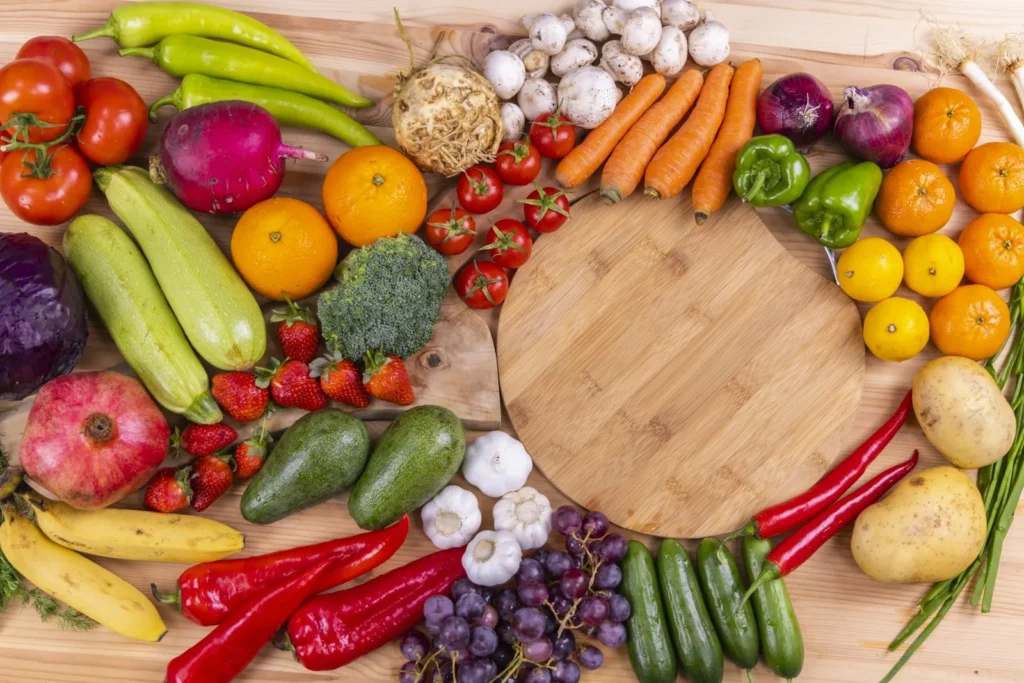
3. Leafy greens. Spinach, kale, and other leafy greens are packed with calcium, folic acid, and other minerals that support tooth and gum health. They also require chewing, which stimulates saliva.
4. Crunchy fruits and vegetables. Apples, carrots, celery, and cucumbers act like natural toothbrushes. Their fibrous texture scrubs the teeth as you chew, and the chewing itself stimulates protective saliva.
5. Nuts. Almonds, walnuts, cashews, and peanuts provide calcium, phosphorus, and protein. They are low in sugar and require vigorous chewing, which keeps saliva flowing.
6. Fatty fish. Salmon, sardines, and mackerel are rich in vitamin D, which helps your body absorb calcium effectively. Vitamin D deficiency is associated with both cavities and gum disease.
7. Eggs. A source of vitamin D and phosphorus, both vital for enamel.
8. Green and black tea (unsweetened). Tea contains polyphenols that suppress the bacteria responsible for plaque formation. Watch for staining over time, especially with black tea.
9. Water. Plain water, especially fluoridated, is the single best beverage for teeth. It rinses away food debris and acid, hydrates the gums, and supports saliva production.
10. Sugarless gum (xylitol). Chewing sugarless gum after meals stimulates saliva and helps clear food particles. Xylitol-sweetened gum is especially good — xylitol actively inhibits cavity-causing bacteria.
What to Avoid (or Limit)
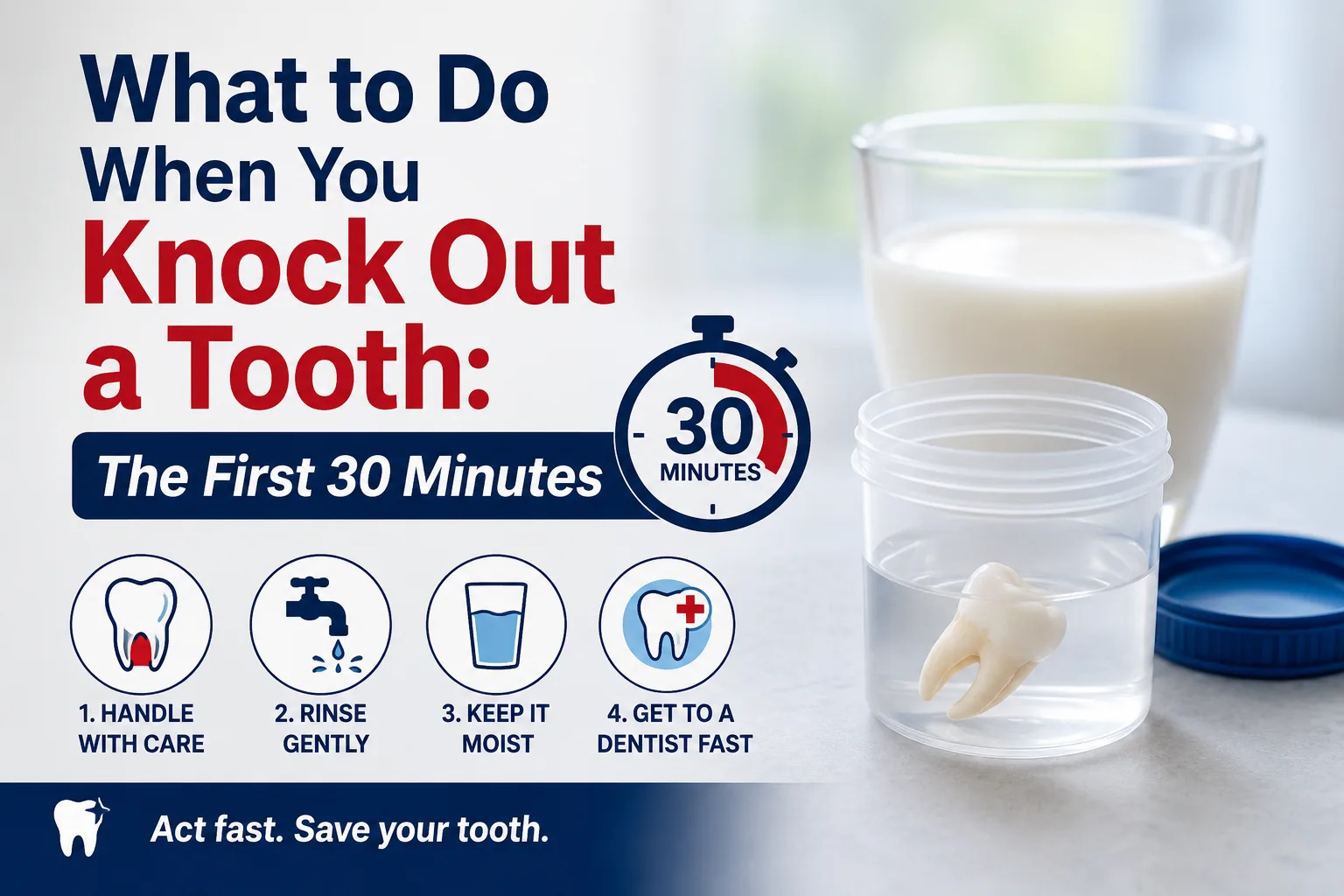
Sticky candies and dried fruit. Toffee, gummies, raisins, and dates cling to teeth and bathe them in sugar for long periods. If you eat them, rinse with water afterward and ideally brush within 30 minutes.
Sugary drinks. Soda, sweetened iced tea, fruit punches, and energy drinks are double trouble — high in sugar and high in acid. Diet versions are still acidic and erode enamel even without sugar.
Citrus juices. Lemon and lime juice are highly acidic. Diluting them in water and using a straw helps minimize tooth contact.
Coffee and red wine. Both stain teeth over time. Drinking water afterward and brushing later helps minimize staining.
Crackers, chips, and white bread. Refined carbs break down into sugars in your mouth and lodge in the grooves of your molars, where bacteria feast on them for hours.
Ice. Chewing ice is one of the most common causes of cracked teeth in adults.
Alcohol. Beyond its effect on overall health, alcohol dries out the mouth, reducing the saliva that normally protects teeth.
Late-night snacking. Saliva production drops while you sleep. Food eaten right before bed sits on the teeth for hours with little defense.
Smart Eating Patterns
How you eat matters as much as what you eat. A few habits make a real difference:
Limit frequency of sweets. Eating a single dessert at the end of a meal is far better for your teeth than grazing on candy throughout the day. Each new exposure to sugar restarts the acid attack.
Drink water with and after meals. Water helps wash away food residue and dilutes any acid in your mouth.
End meals with cheese or nuts. A small piece of cheese or a few almonds at the end of a meal raises pH and stimulates saliva, ending the acid window faster.
Wait 30 minutes to brush after acidic foods. Brushing immediately after an acidic meal can wear away softened enamel. Rinse with water, then brush after half an hour.
Use a straw for acidic drinks. Reducing contact with the front teeth helps minimize erosion and staining.
Special Considerations
Children: Limit juice, especially in bottles or sippy cups used throughout the day. Choose whole fruit over juice whenever possible.
Pregnancy: Cravings and morning sickness can challenge oral health. Rinse with water after vomiting (don’t brush immediately — wait 30 minutes), and maintain a balanced diet rich in calcium and vitamin D.
Older adults: Reduced saliva is common with age and certain medications. Stay especially hydrated and consider sugar-free lozenges to keep saliva flowing.
Athletes: Sports drinks are a leading cause of enamel erosion in younger adults. Water is the better choice for most workouts.
The Big Picture
You don’t need to overhaul your diet. Simple swaps make a measurable difference: water instead of soda, cheese after dessert, nuts as a snack, fruit instead of dried fruit, brushing after breakfast instead of before. Your teeth — and the dentist who looks at them every six months — will both notice.
Healthy teeth aren’t built only at the dentist. They are built every day, with every bite. Choose well, and your smile thanks you for decades.
Related care at Anytime Dental
Read more about Teeth Cleaning. You can visit our Filipino-speaking dentists at our Deira (Al Rigga) clinic or our Barsha Heights clinic, open daily from 10 AM to 9 PM. Your first consultation is free.