
Mention “root canal” and most people instinctively tense up. The procedure has earned a reputation over the years for being painful, scary, and best avoided. But this reputation is decades out of date. Modern root canal treatment is a predictable, comfortable and tooth-saving procedure for most patients. If your dentist has recommended one, here’s why it may help you keep your natural tooth.
What Is a Root Canal, Really?
Inside every tooth, beneath the hard outer enamel and the dentin layer beneath it, sits a soft inner core called the pulp. The pulp contains nerves, blood vessels, and connective tissue that helped your tooth develop. Once a tooth is fully formed, the pulp is no longer essential for the tooth to function — the surrounding tissues and ligaments keep the tooth nourished and alive.
A root canal becomes necessary when the pulp becomes infected, inflamed, or dies. This can happen because of deep decay, a crack, repeated dental procedures on the same tooth, or trauma. When the pulp is compromised, bacteria multiply inside the tooth, causing pain, swelling, and abscesses. A root canal removes the diseased pulp, cleans and disinfects the inside of the tooth, and seals it — preserving the tooth itself in your mouth for many more years.
Why Saving Your Tooth Matters
It is tempting to think extraction is simpler than a root canal. After all, just pull the tooth and the problem disappears, right? In reality, losing a permanent tooth has long-term consequences.
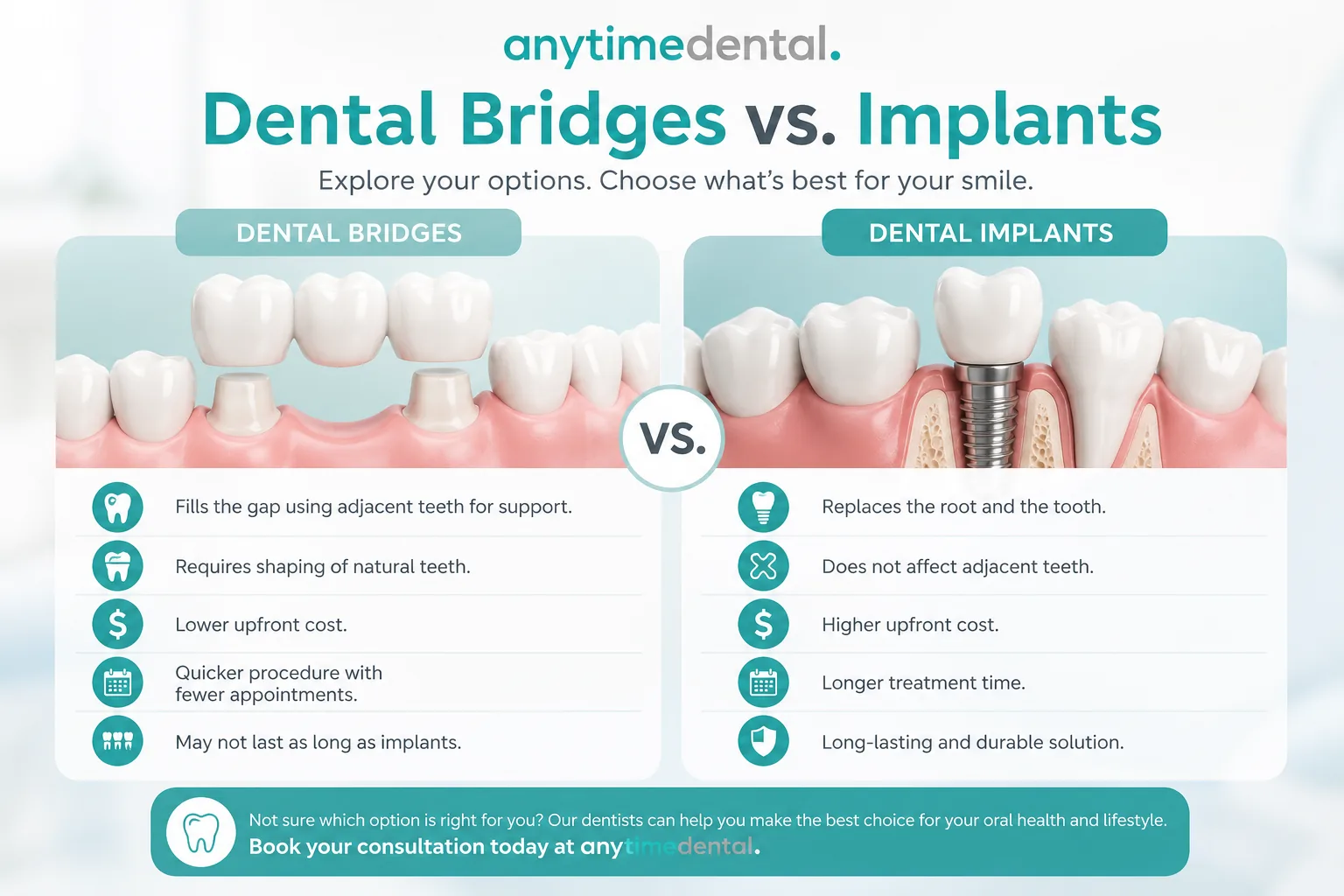
Adjacent teeth shift into the empty space, your bite changes, and the bone in that area begins to shrink over time. Chewing efficiency drops, certain sounds become harder to pronounce, and your smile changes shape. Replacing a missing tooth with an implant or bridge is more expensive than the original root canal would have been — and no replacement ever matches the natural feel of your own tooth.
Modern endodontics gives most root-canal-treated teeth a lifespan of decades. Saving your natural tooth, whenever possible, is almost always the better long-term choice.
The Pain Myth, Debunked
The single biggest misconception about root canals is that the procedure itself is painful. Decades ago, before modern anesthetics and rotary instruments, this may have been somewhat true. Today, the experience is closer to that of getting a routine filling.
Your dentist or endodontist will numb the tooth thoroughly with local anesthesia before any work begins. Most patients report feeling pressure and movement, but not pain. The pain people associate with root canals is usually the toothache that led them to seek treatment in the first place — and the root canal is what makes that pain stop.
Many patients are surprised at how comfortable the appointment is. One common refrain from clinics in Dubai and around the world: “If I’d known it was this easy, I would have come in months ago.”
What Happens During Treatment
A typical root canal takes one or two appointments, each lasting 60 to 90 minutes.
Step 1: Diagnosis and numbing. Your dentist takes X-rays to map the inside of the tooth, then administers local anesthesia. A small rubber sheet called a dental dam is placed around the tooth to keep it dry and clean during the procedure.
Step 2: Accessing the pulp. A small opening is made in the top of the tooth to reach the pulp chamber.
Step 3: Cleaning and shaping. Tiny, flexible instruments remove the infected pulp from the chamber and the root canals beneath it. The canals are then irrigated with disinfecting solutions and shaped to receive a filling material.
Step 4: Filling and sealing. A biocompatible material called gutta-percha is placed into the canals along with a sealer to fill the empty space and prevent bacteria from re-entering. A temporary or permanent filling is placed in the access opening.
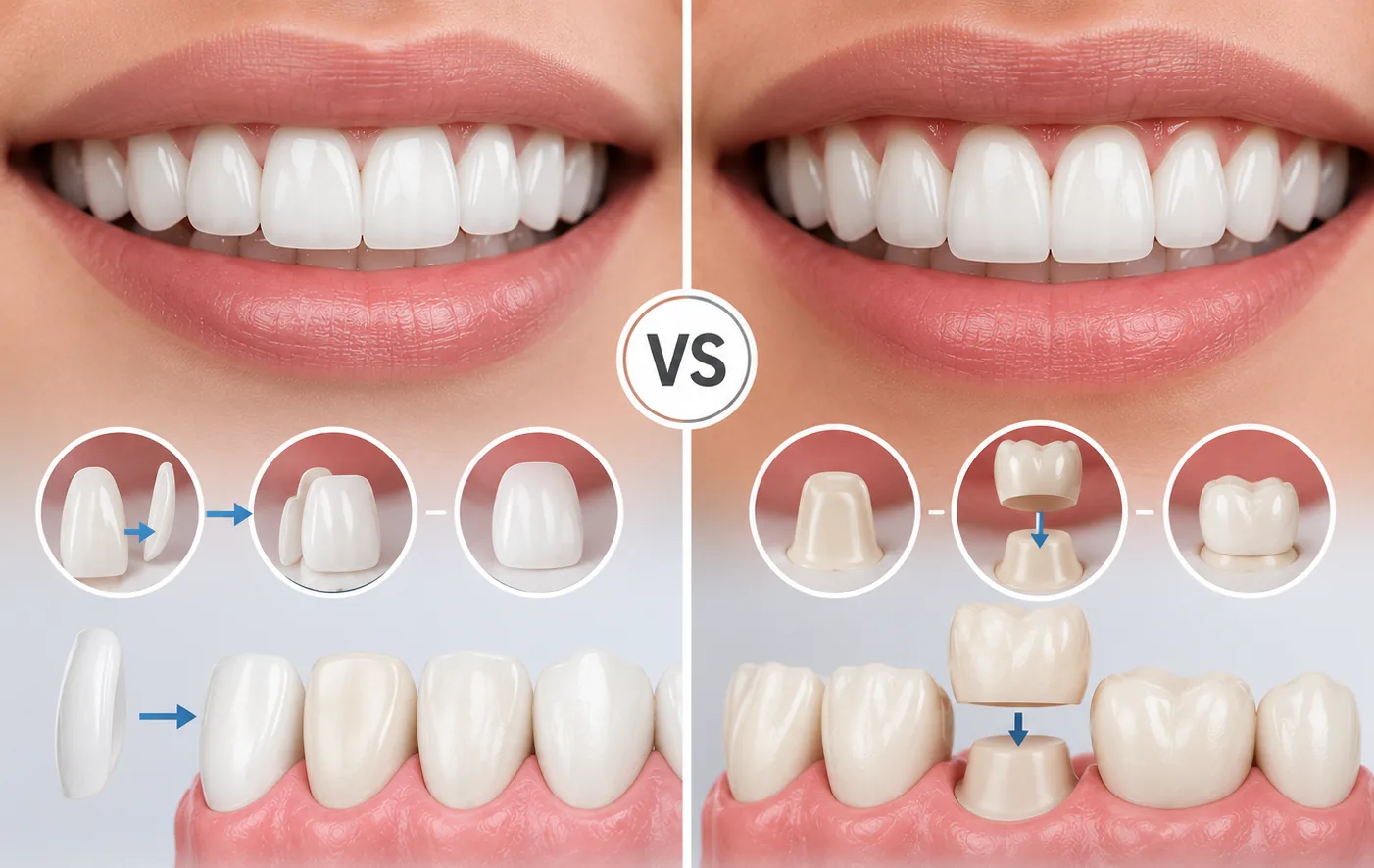
Step 5: Final restoration. Because a tooth that has had a root canal is more brittle than a healthy one, your dentist usually recommends a crown to protect it from fracture. The crown is fitted in a follow-up appointment and restores full function.
What to Expect Afterward
Most patients return to normal activities the same day. Mild soreness in the jaw or around the tooth is common for a day or two and responds well to over-the-counter pain relievers. You may be advised to chew on the other side until the crown is placed. Within a week, most people feel completely normal.
Long-term success rates for root canal treatment are high — typically 85 to 97 percent — when followed by a properly fitted crown. With good oral hygiene and routine check-ups, a treated tooth can last many years.
Signs You Might Need a Root Canal
Watch for these warning signs and see a dentist promptly if they appear: persistent or severe toothache, prolonged sensitivity to hot or cold even after the stimulus is removed, darkening of a single tooth, swelling or tenderness in the gums near a particular tooth, a recurring pimple-like bump on the gum, or a deep crack in a tooth. Sometimes a tooth needs a root canal even without obvious symptoms — your dentist may spot infection on a routine X-ray before you feel anything.
Alternatives and Limitations
Not every tooth can be saved with a root canal. If the tooth is severely fractured below the gumline, has very little structure left, or has failed root canal treatment that cannot be redone, extraction may be the only option. In those cases, a dental implant is often the best replacement. But these situations are the exception — for the vast majority of teeth with pulp problems, root canal therapy is the right answer.
Don’t Delay Treatment
The longer a tooth infection sits untreated, the more it spreads. An abscess can damage surrounding bone, and the infection can move into other parts of the body in rare but serious cases. If your dentist recommends a root canal, it is usually better to schedule it sooner rather than later.
The Real Takeaway
Root canals are not something to fear — they are something to be grateful for. They eliminate severe pain, end infection, and save the tooth nature gave you. With modern techniques, anesthesia, and skilled dentists, the experience is straightforward and the results are reliable. If you’ve been delaying treatment because of outdated fears, talk honestly with your dentist. You may walk out of the appointment wondering what all the worry was about.
Related care at Anytime Dental
Related treatments at our clinics: tooth extraction.
Read more about Root Canal Treatment and Dental Crowns. You can visit our Filipino-speaking dentists at our Deira (Al Rigga) clinic or our Barsha Heights clinic, open daily from 10 AM to 9 PM. Your first consultation is free.