If the thought of sitting in the dentist’s chair makes your heart race, you’re not alone. Dental anxiety affects an estimated one in three adults worldwide, and a smaller but significant group experiences severe dental phobia that keeps them from seeking care altogether. The good news: modern dentistry has changed dramatically. Today’s clinics are designed and staffed with anxious patients in mind, and the techniques available to help you feel safe and in control would have been unimaginable a generation ago.
Where Dental Anxiety Comes From
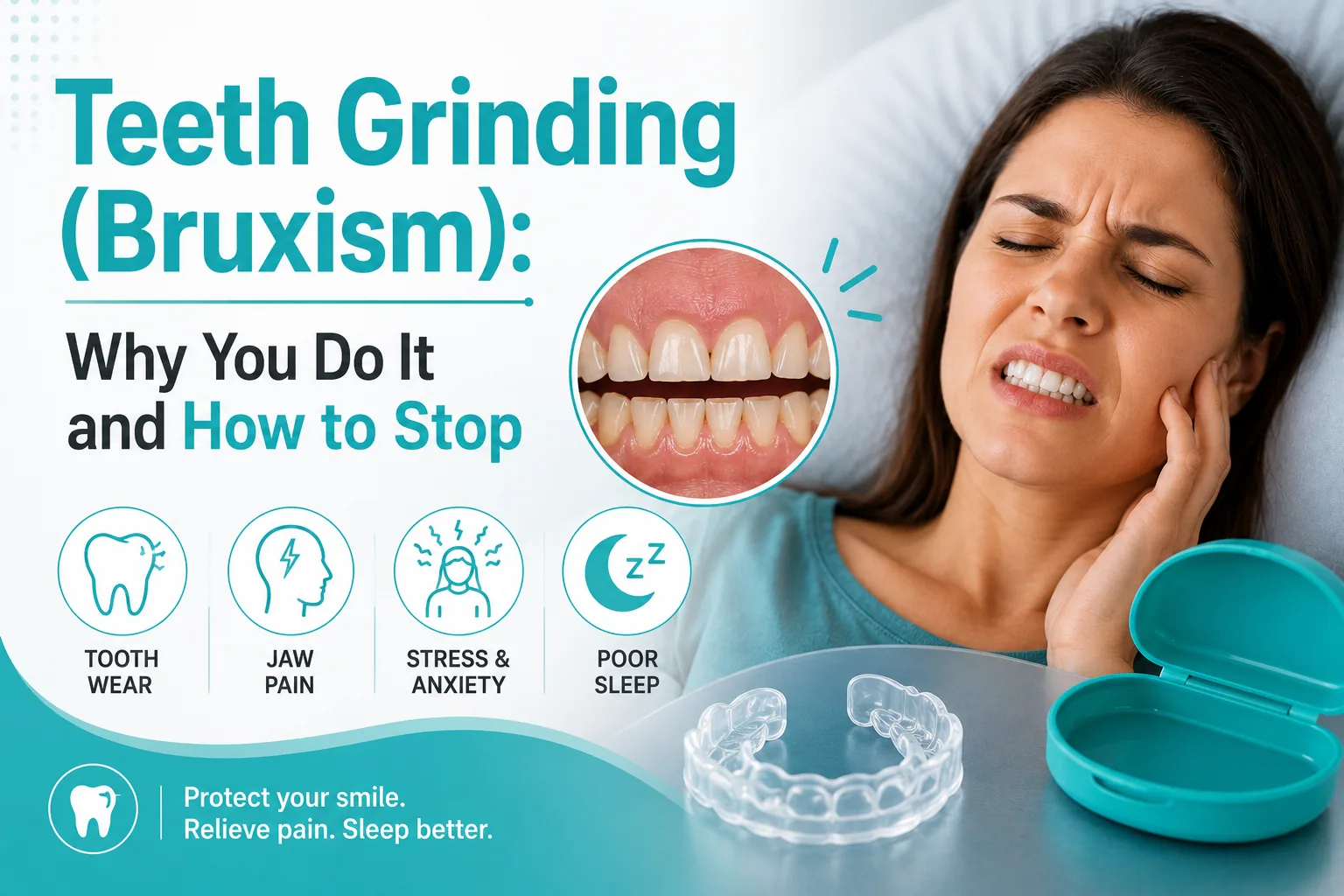
For some people, anxiety traces back to a single bad experience as a child — a painful filling, a stern dentist, or an embarrassing comment about their teeth. For others, it’s the sensory experience: the sounds, smells, vibrations, and unfamiliar instruments. Many adults inherit dental fear from anxious parents who passed it on without meaning to. And for some, dental anxiety is connected to broader medical anxiety, claustrophobia, or a fear of losing control.
Whatever the source, dental anxiety is real and valid. Dismissing it doesn’t help — understanding it is the first step to overcoming it.
The Costs of Avoiding the Dentist
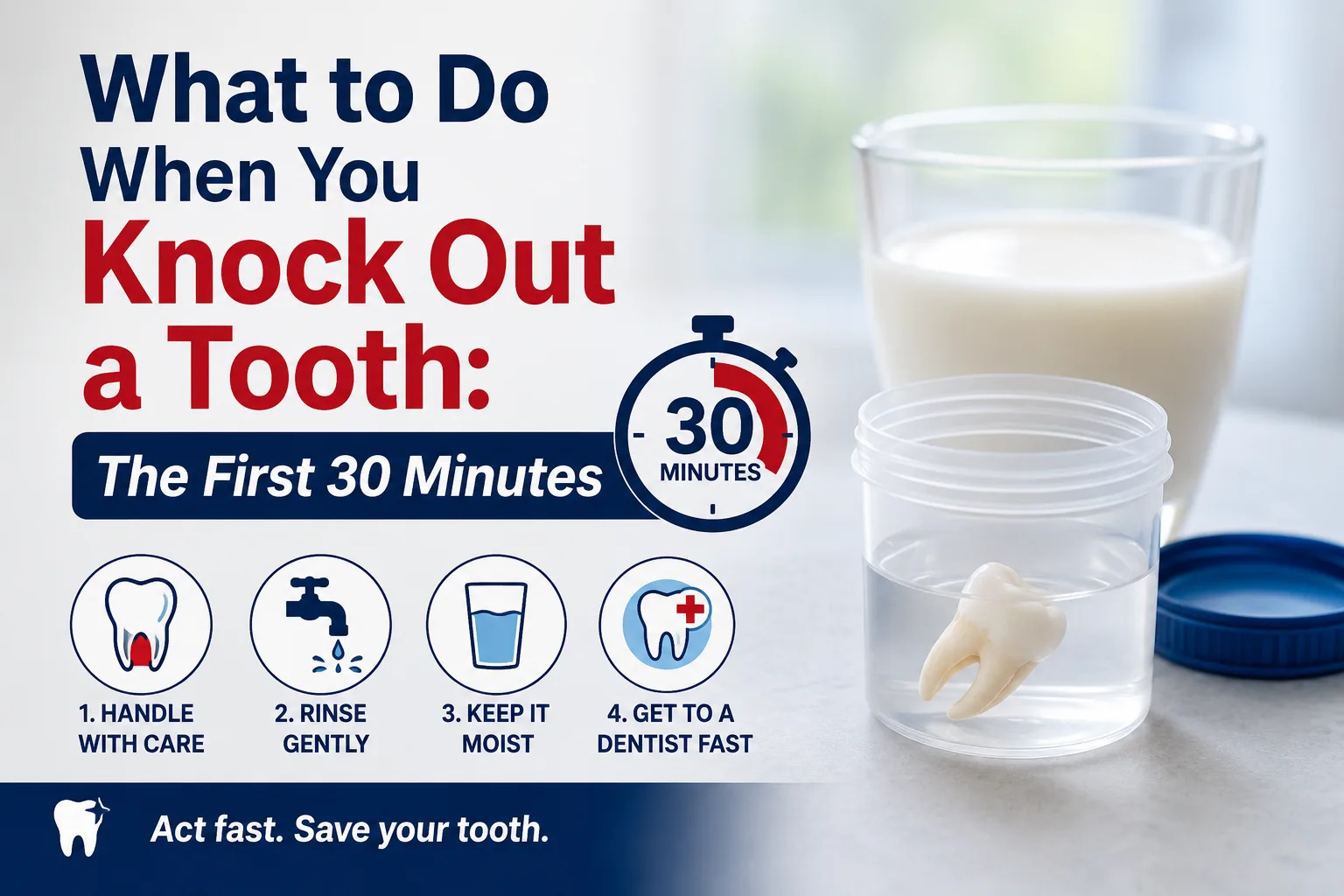
The biggest risk of dental anxiety isn’t the appointment itself — it’s the appointments that never happen. Small cavities that could have been treated with a quick filling grow into root canals or extractions. Mild gum inflammation progresses into bone loss. Routine cleanings that prevent problems disappear, and decades of plaque buildup harden into tartar. By the time pain forces someone in for emergency care, the treatment is often more involved, more expensive, and more uncomfortable than if they’d come in regularly.
That’s why modern clinics work so hard to make every patient feel welcome and safe — because we know the cost of avoidance is far higher than the cost of confronting anxiety with the right support.
How Modern Clinics Help Anxious Patients
1. A different environment. The sterile, fluorescent-lit clinics of decades past are increasingly being replaced by warm, calming spaces — natural light, soft colors, comfortable chairs, soothing music in the waiting area. Some clinics have aromatherapy, weighted blankets, or noise-canceling headphones available. These small environmental shifts have a meaningful psychological effect.
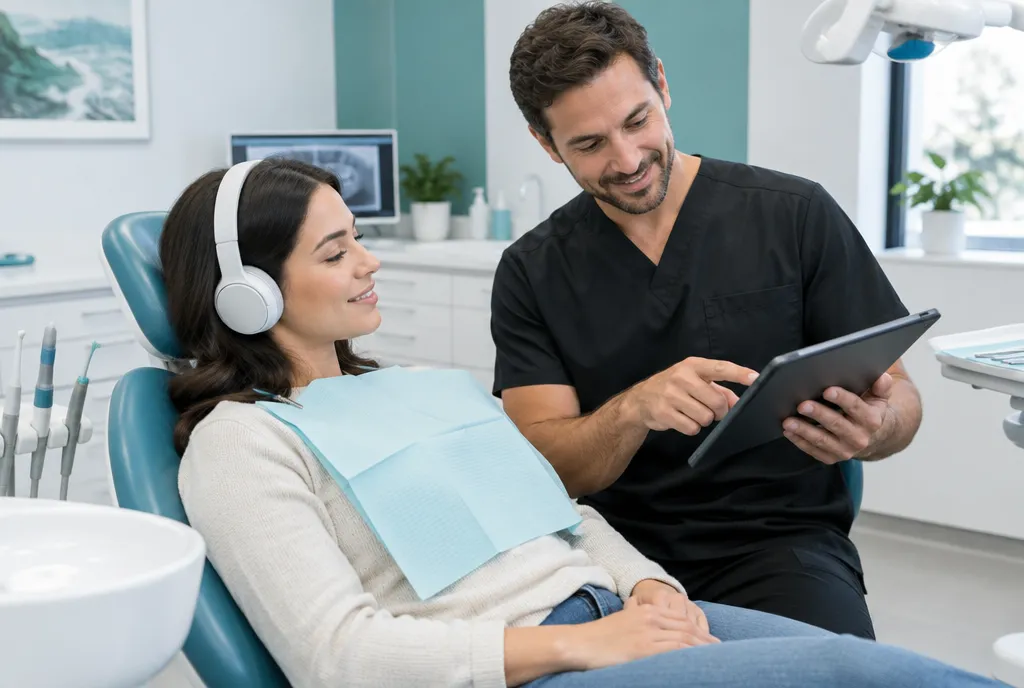
2. A thorough consultation first. An experienced dentist who treats anxious patients won’t immediately start examining. They’ll sit down, talk with you, ask about your concerns, listen, and explain what they’re going to do — and what they aren’t. Understanding the plan reduces fear dramatically.
3. The “stop signal.” Patients with dental anxiety are often given a clear way to pause the procedure at any time — raising a hand, tapping the chair. Knowing you can pause restores your sense of control, which is one of the biggest factors in anxiety.
4. Modern local anaesthesia. Today’s local anesthetics are far more effective and longer-lasting than those of decades past. Topical numbing gels eliminate the sting of injections, and computer-assisted delivery systems can administer anesthesia so slowly and steadily that many patients don’t even feel the needle.
5. Distraction technology. Some clinics now offer VR headsets, ceiling-mounted TVs, or music streamed through wireless headphones during procedures. Distraction reduces perceived pain and time.
6. Shorter, gentler appointments. For very anxious patients, dentists often build up trust gradually — a get-acquainted visit with no treatment, then a cleaning, then small procedures. Each successful visit teaches your nervous system that the dental office is safe.
Sedation Dentistry
For patients whose anxiety is severe, sedation dentistry offers an additional layer of help. Several levels are available:
Nitrous oxide (laughing gas). A mild, fast-acting inhaled sedative that takes the edge off without putting you to sleep. You stay awake, you can respond to your dentist, and the effect wears off within minutes after the mask is removed — most patients can drive themselves home.
Oral sedation. A prescription pill (usually taken an hour before the appointment) that produces a deeper relaxation. You’ll feel drowsy and calm but remain conscious. You’ll need someone to drive you home.
IV sedation. Administered intravenously by a trained professional, this allows for a deeper level of relaxation. You may not remember much of the appointment afterward, but you remain breathing on your own.
General anesthesia. Full sleep, used only for very complex procedures or for patients whose anxiety is severe enough to make any other approach impossible. Performed in clinics with anesthesiology support.
Sedation options should always be discussed openly with your dentist, who will recommend the right level based on the procedure, your anxiety level, and your medical history.
What You Can Do Before Your Appointment
You’re not powerless before the appointment itself. Several proven strategies help:
Choose an early morning appointment so you don’t spend the day worrying. Eat a light, protein-rich meal beforehand — low blood sugar amplifies anxiety. Avoid caffeine, which can worsen jitters. Practice slow, deep breathing on the way to the clinic — inhale for four counts, hold for four, exhale for six. Bring a comfort item (a stress ball, a favorite playlist on your phone). Tell the front desk team about your anxiety when you check in — they will let your dentist know so the whole team can adapt the visit.
Talking Honestly with Your Dentist
The single most helpful thing you can do is tell your dentist clearly: “I have dental anxiety.” That sentence opens the door to a different kind of appointment. Don’t downplay it, and don’t apologize for it. A good dentist will appreciate knowing, because it helps them tailor your care.
You can also ask specific questions: “Will this hurt? How long will it take? What will I feel? Can we stop if I need to?” Hearing the answers ahead of time turns the unknown into the known, which is half the battle with anxiety.
You Are Not Alone
Dental fear is one of the most common patient experiences, and every good clinic has people who have helped many anxious patients before you. Walking through the door is the hardest part — and once you do, you’ll likely find that today’s dentistry is far gentler than the version that scared you in the first place.
Related care at Anytime Dental
Related treatments at our clinics: root canal treatment and tooth extraction.
Read more about all our dental services. You can visit our Filipino-speaking dentists at our Deira (Al Rigga) clinic or our Barsha Heights clinic, open daily from 10 AM to 9 PM. Your first consultation is free.